
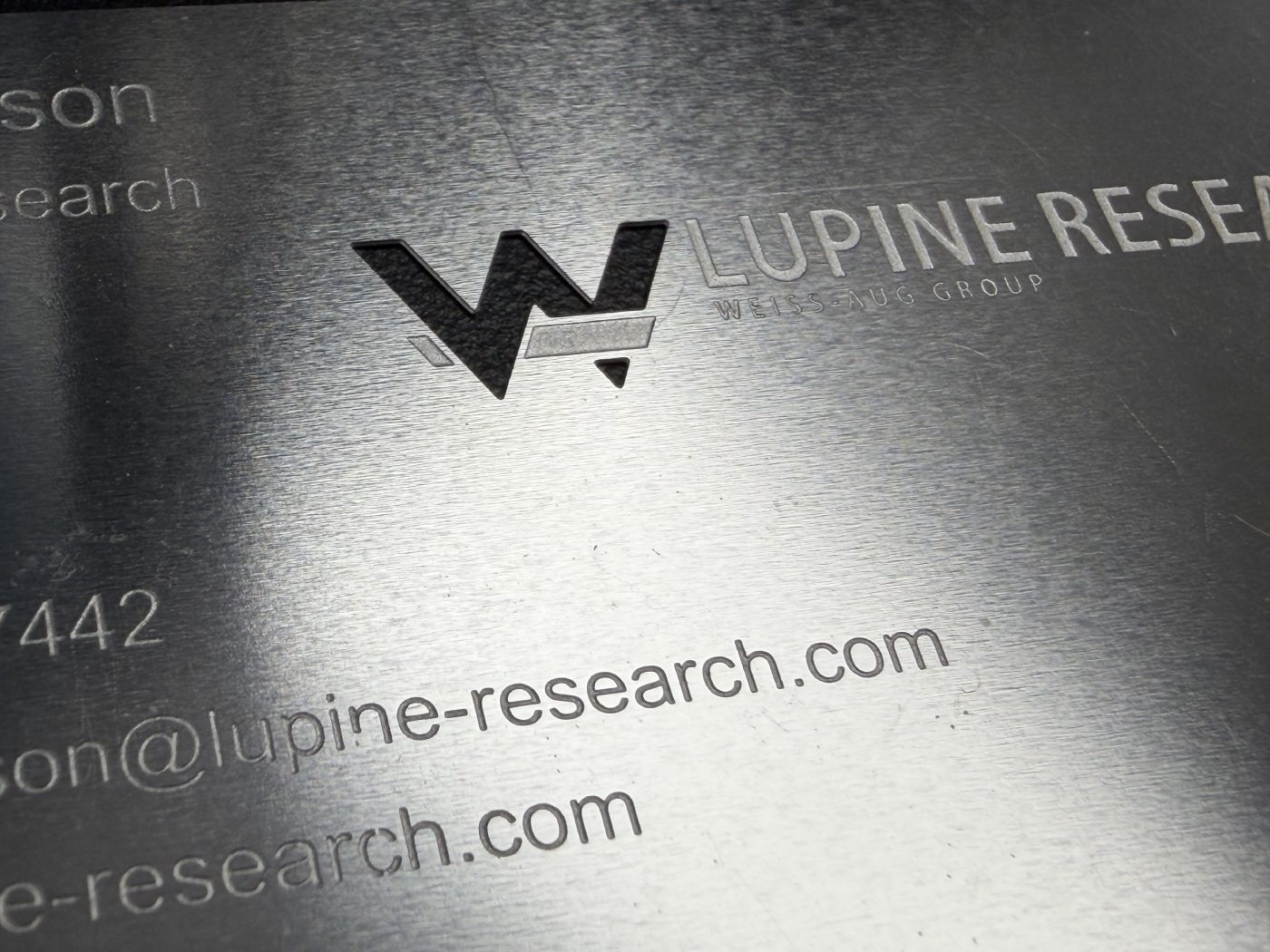
Photochemical machining — also known as chemical milling or photochemical etching — is a cost-effective manufacturing process for producing metal parts with complex geometries at high precision.
The Process
- Preparation — a thin metal sheet (stainless steel, brass, or copper) is cleaned and coated with photoresist
- Light exposure — the coated sheet is exposed through a photo tool or mask
- Developing — unexposed photoresist is removed, revealing the desired pattern
- Etching — chemical etchants dissolve the exposed metal while photoresist protects the pattern
- Stripping — remaining photoresist is removed, revealing the finished component
Key Advantages
- Sub-micron precision and sharp, intricate geometries
- Burr-free and stress-free — no mechanical deformation of the part
- Minimal tooling cost — ideal for prototyping and small runs
- Fast turnaround
- Scales effectively from prototype to production volumes
Materials
Stainless steel, copper, and brass are the most common materials, selected for photoresist compatibility and application requirements.
Applications
Precision components for medical devices, electronics, aerospace, and automotive applications — anywhere complex, high-accuracy metal parts are essential.